







In a significant shift regarding consumer privacy and device security, LG Electronics USA has announced a sweeping crackdown on smart TV applications that transform home entertainment devices into residential proxy nodes. This decision, announced this week, comes on the heels of alarming research revealing that nearly half of the applications available on LG’s webOS platform were covertly routing third-party internet traffic through unsuspecting users’ home networks.
The move marks a rare, proactive intervention by a major consumer electronics manufacturer to curb the monetization of device resources by third-party software developers. As smart TVs transition from passive displays to sophisticated, always-on computing hubs, the boundary between consumer convenience and security vulnerability has become increasingly blurred.
The Genesis of the Crisis: A Hidden Infrastructure
The catalyst for LG’s policy change is a July 2, 2026, report by security research firm Spur. The firm’s investigation into the digital architecture of modern smart TVs uncovered a widespread practice: the integration of "residential proxy software development kits" (SDKs) into seemingly benign applications.
These SDKs, when embedded in an app, effectively convert the user’s smart TV into a proxy server. This allows external parties—often businesses, data scrapers, or researchers—to route their web traffic through the user’s home IP address. By doing so, they can bypass geographical restrictions, mask their true identity, or perform large-scale data extraction while appearing to be a regular residential user.
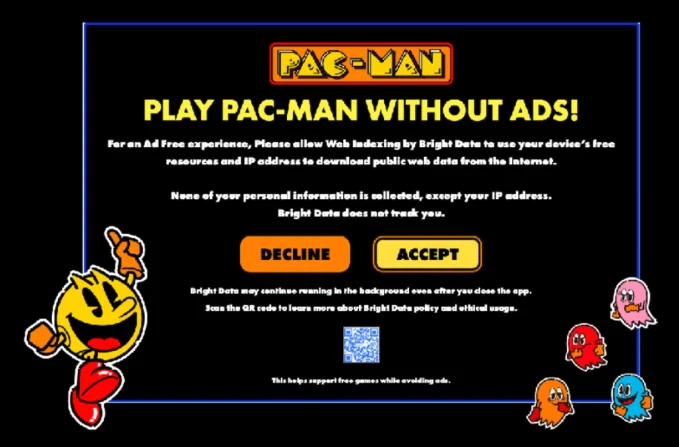
Spur’s findings were startling: more than 42 percent of the applications available on the LG webOS store contained these proxy components. Samsung’s Tizen operating system did not escape scrutiny either, with researchers identifying similar proxy SDKs in over 25 percent of its app library. From classic titles like Pac-Man to obscure screensavers and file management utilities, the "proxy-as-a-service" model had successfully infiltrated the living rooms of millions of consumers.
Chronology: From Discovery to Policy Enforcement
The sequence of events leading to this week’s announcement highlights the friction between app monetization strategies and consumer trust:
- Early July 2026: Spur publishes its in-depth analysis detailing how residential proxy SDKs are being used to monetize smart TVs. The report highlights that many of these SDKs are bundled into apps without clear, persistent warnings to the consumer.
- Mid-July 2026: Security researchers and technology journalists begin questioning major manufacturers, including LG and Samsung, about their oversight of app store ecosystems.
- July 22, 2026: LG Electronics USA confirms it is taking immediate action. Senior Vice President John Taylor issues a formal statement confirming that the company is working with developers to excise these SDKs from the webOS platform.
- Late July 2026: LG initiates an audit process for all apps currently hosted on the webOS store, signaling that failure to comply with the new "no-proxy" policy will result in the permanent suspension of the offending software.
The Economics of "Consent" and Monetization
To understand why developers are embedding these SDKs, one must look at the economics of the "free" app ecosystem. Developers, often struggling to monetize simple utilities or games, are courted by proxy providers like Bright Data. These providers offer a revenue stream in exchange for the bandwidth of the user’s device.
Bright Data, the primary entity named in the Spur report, maintains that its operations are built on a foundation of "consent and responsibility." In a statement provided to KrebsOnSecurity, the company argued that every "peer" (the user) opts in through a dedicated screen and receives value—such as ad-free gameplay—in return. Bright Data further asserts that its customers are thoroughly vetted and that the company undergoes independent audits, such as those conducted by PwC, to ensure compliance with ethical standards.
However, the industry perspective is far from monolithic. Critics argue that the "consent" model is fundamentally flawed. When a user downloads a simple screensaver, they are often presented with complex terms of service that prioritize legal protection for the developer over clear communication with the consumer.
The Hidden Implications of Residential Proxies
The implications of having a proxy node in one’s home are profound. While proxy providers claim they employ technological countermeasures to prevent "bad actors" from scanning the user’s local network, the risk remains.

1. The Erosion of Privacy and Security
Residential proxies are highly sought after because they carry the reputation of a trusted home connection. When a malicious actor uses a proxy node, the activity appears to originate from a legitimate, verified residence. If that proxy node is a smart TV, the homeowner—not the bad actor—could inadvertently be associated with illegal activities, content scraping, or cyberattacks.
2. The Illusion of Consent
As Trevor Sutter of Spur noted, a one-time consent prompt buried deep within a setup menu is not a substitute for ongoing oversight. Smart TVs are communal devices; they are used by parents, children, and guests. A minor or a non-technical family member might click "Accept" on a prompt they do not understand, effectively compromising the network security of the entire household.
3. Network Performance and Longevity
Beyond security, there is the issue of hardware health and network degradation. Routing external traffic through a smart TV consumes bandwidth and processing power. While the impact might be negligible for a single user, the cumulative effect of a million TVs acting as proxy nodes creates a massive, distributed infrastructure that benefits the provider while imposing hidden costs on the consumer.
LG’s Dual Challenges: Beyond the Proxy
LG’s decision to purge proxy SDKs is a positive step toward platform integrity, yet the company finds itself under increased scrutiny regarding other software practices. The recent controversy involving the automatic installation of McAfee security software on LG monitors highlights a broader trend: the encroachment of unwanted software via firmware and driver updates.
According to reporting from Gamers Nexus, certain high-end LG LCD monitors have been observed silently installing McAfee antivirus promotions through Windows Update. This process occurs without explicit user approval, raising questions about whether LG is prioritizing corporate partnerships over the user experience.
When viewed alongside the proxy SDK issue, these incidents suggest that major hardware manufacturers are struggling to manage the "software layer" of their devices. Consumers are increasingly pushing back against the idea that buying a piece of hardware grants the manufacturer the right to treat the device as a billboard or a conduit for third-party services.
The Path Forward: What Consumers Need to Know
For owners of LG and other smart TVs, the current situation serves as a vital reminder of the "Internet of Things" (IoT) risk profile. While LG’s upcoming cleanup is a welcome development, consumers should remain vigilant:
- Audit Permissions: Regularly check the settings menu of your smart TV. Look for any section related to "Network," "Privacy," or "Developer Settings" to see if there are options for sharing network resources.
- Network Isolation: If possible, place smart devices on a "guest" Wi-Fi network that is isolated from your primary computers, NAS drives, and sensitive home devices.
- Stay Informed: Monitor manufacturer announcements. If you own an LG TV, keep an eye out for firmware updates, as these will likely contain the security patches that remove the problematic proxy SDKs.
Conclusion
The decision by LG Electronics to ban residential proxy SDKs is a milestone in the governance of smart devices. It acknowledges that a smart TV is not merely an appliance; it is a networked computer that requires the same level of security and oversight as a laptop or a smartphone.
As the digital landscape evolves, the responsibility rests on both the manufacturers to enforce strict platform standards and the consumers to demand transparency. The era of the "unmonitored" smart device is rapidly coming to an end. By forcing developers to choose between legitimate app monetization and parasitic network exploitation, LG is helping to restore a measure of control to the end-user. Whether other manufacturers follow suit—and whether LG can resolve its own issues with unwanted software bundling—remains to be seen. For now, the living room is a slightly safer place, but the battle for digital sovereignty continues.