









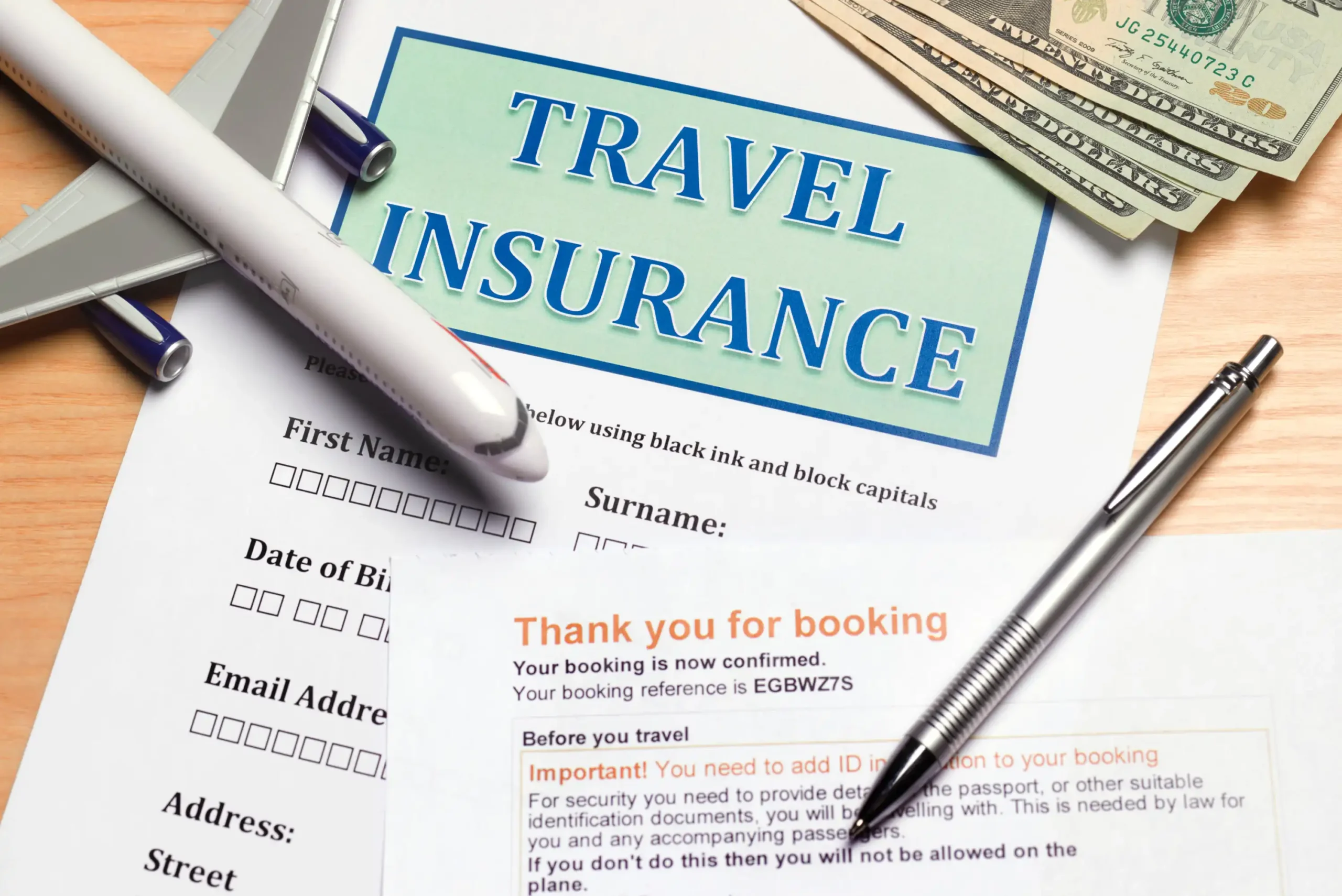
Whether it is a dream vacation cut short by a sudden illness, a multi-day flight delay due to erratic winter weather, or navigating geopolitical unrest abroad, travel disruptions are an unfortunate reality for millions of adventurers every year. While modern travelers have endless ways to keep base costs low—such as hunting for flight deals and booking budget-friendly accommodations—unforeseen emergencies can instantly dismantle even the most meticulously planned budget.
Travel trouble takes myriad forms, ranging from minor inconveniences to costly obstacles and true life-threatening emergencies. While a policy cannot prevent a storm from grounding your plane or stop a sudden fever from ruining an itinerary, travel insurance acts as a crucial financial safety net. Understanding the ins and outs of these policies ensures you can travel with confidence, knowing your financial exposure is minimized when the unexpected strikes.
Main Facts: What Travel Insurance Covers and Costs
At its core, travel insurance is designed to address the financial impacts of common and catastrophic travel problems. Policies are sold either for single trips or defined time frames (typically one-year terms with options for indefinite renewal). Like auto or health insurance, basic policies cover specific events up to predetermined coverage limits, with premiums paid upfront or upon renewal.
Comprehensive Trip Insurance vs. Specialized Policies
Trip insurance is the most thorough and costly form of coverage, split into single-trip and annual options.
- Single-Trip Policies: Cover discrete journeys from the moment you leave home until you return, offering robust protections for cancellations and interruptions.
- Annual Policies: Tailored for frequent flyers, these cover multiple trips over a 12-month period. However, traditional annual plans often exclude or severely limit trip cancellation and interruption benefits unless a supplemental rider is purchased.
Key Coverages Included in Comprehensive Plans
Depending on the provider, a standard comprehensive plan typically features a combination of the following protections:
- Trip Cancellation & Interruption: Reimburses prepaid, nonrefundable expenses (flights, hotels, tours) if a trip is canceled or cut short due to covered reasons like illness, jury duty, or severe weather.
- Travel & Baggage Delays: Covers essential out-of-pocket costs—such as hotel rooms, meals, and toiletries—during lengthy transit delays or misplaced luggage.
- Emergency Medical & Evacuation: Covers overseas medical treatments and emergency transport (like air ambulances) which are vital given that domestic health insurance rarely covers international care.
Financial Investment
According to the U.S. Travel Insurance Association and industry tracking data, comprehensive travel insurance generally costs between 4% and 10% of total nonrefundable trip expenses (with averages hovering around 5% to 6%). For specialized medical-only policies, daily rates average roughly $5 per day, while annual medical plans range from $100 to $150 per traveler.
Chronology of the Modern Travel Insurance Market
To understand how travel insurance evolved into a multi-billion-dollar safeguard, it helps to examine its trajectory, particularly in the wake of global disruptions over the last decade.
- Pre-2020s (The Traditional Era): Travel insurance was historically viewed as an afterthought—a minor add-on purchased primarily by elderly travelers or those embarking on expensive cruises. Policies focused narrowly on lost luggage and basic emergency medical care.
- 2020–2022 (The Pandemic Catalyst): Global border closures, sudden quarantines, and airline meltdowns exposed massive gaps in traditional policies, which frequently classified pandemics as "known events" or excluded them entirely. This sparked a massive shift in consumer demand for ultimate flexibility.
- 2023–Present (The Rise of Customization and CFAR): Today’s market is defined by hyper-customization and advanced digital claims processing (such as app-based instant reimbursements via providers like Faye). Demand for "Cancel for Any Reason" (CFAR) riders has reached an all-time high, with roughly 10% of policies incorporating CFAR protection by late 2025 as travelers increasingly prioritize risk mitigation.
Supporting Data: By the Numbers
Industry metrics underscore why travelers are increasingly leaning on insurance to protect their investments:
- The Average Insured Trip Cost: According to recent travel insurance marketplace data, the average insured trip now costs nearly $8,000, making financial loss a staggering risk for families and individuals.
- Claim Frequency: Cancellation and disruption claims account for roughly 40% of all paid travel insurance claims, making them the most heavily relied-upon benefits in the industry.
- The Cost of Flexibility: Adding a Cancel for Any Reason (CFAR) rider typically inflates base premiums by 40% to 60%, yet it remains a popular investment for those wary of geopolitical shifts, climate disasters, or sudden health flare-ups. CFAR typically reimburses 50% to 75% of nonrefundable expenses.
- Medical Limits: While basic policies offer $25,000 to $50,000 in emergency medical coverage, premium tiers regularly provide $100,000 to $250,000, addressing skyrocketing international healthcare costs.
Official Responses and Industry Guidance
Consumer advocacy groups, government bodies, and insurance regulators consistently advise travelers to scrutinize policy fine print and purchase plans strategically.
Timing is Everything
Major third-party insurers (such as Allianz Travel Insurance and Travel Guard) emphasize a strict window for optimal coverage. Purchasing a policy within 14 to 21 days of your initial trip deposit is frequently required to unlock critical benefits, including coverage for preexisting medical conditions, financial default/airline bankruptcy, and eligibility for CFAR add-ons.
Regulatory Realities
State insurance commissioners note that smaller travel insurers may not be licensed in all 50 jurisdictions. Furthermore, local regulations dictate whether specific add-ons—such as CFAR—are legally permitted for residents of certain states. Consumers are urged to verify that an insurer is fully authorized to operate within their home zip code before exchanging funds.
Implications for Travelers: How to Choose the Right Policy
Navigating the labyrinth of travel insurance requires balancing your personal health, financial exposure, destination risks, and travel frequency. Consider the following criteria when selecting a plan:
1. Assess Your Destination and Medical Needs
If you are traveling internationally—particularly to destinations with expensive healthcare systems like the United States, or remote regions lacking modern infrastructure—robust emergency medical and evacuation coverage is non-negotiable. Relying solely on domestic health insurance can leave you vulnerable to six-figure medical bills.
2. Evaluate the Value of Your Itinerary
If you are taking a low-stakes, inexpensive road trip, skipping insurance may be a calculated risk you are willing to take. However, if your itinerary features nonrefundable deposits totaling thousands of dollars, a nominal insurance premium acts as cheap peace of mind.
3. Review Pre-existing Conditions and Professional Risks
Do you or a traveling companion manage chronic health issues? Are you worried about job stability or an aging relative at home? Look for policies that offer pre-existing condition waivers (purchased early) and ensure you understand the exact qualifying events required to trigger trip interruption payouts.
4. Beware of Tour Operator Policies
While booking a tour or cruise line package, operators often market in-house insurance policies. Industry experts advise caution: if the tour operator faces financial insolvency and goes bankrupt, their proprietary insurance may collapse right along with them. Opting for reputable, independent third-party underwriters provides a much safer firewall.
Final Word
Money may not be able to buy happiness directly, but it can unquestionably purchase peace of mind—much like a home security system or an auto policy.
Travel insurance cannot stop a hurricane from altering your flight path or prevent a sudden medical emergency from changing your plans. However, it can absorb the financial blow when the worst-case scenario unfolds. By taking the time to evaluate your unique risks, timing your purchase correctly, and selecting comprehensive coverage, you free yourself from the burden of what-ifs—allowing you to focus entirely on the joy of discovery that inspired your journey in the first place.