








For the modern business traveler or the digital nomad, the hotel club lounge—often referred to as an executive or concierge lounge—has long served as a "hotel within a hotel." It is a sanctuary of productivity, a quiet retreat from the cacophony of a busy lobby, and a hallmark of the premium guest experience. However, as the hospitality industry emerges from the shadow of the pandemic, the status of these amenities is shifting. While they remain a prized feature for many, the economic realities of post-2020 hotel operations suggest that the golden age of the club lounge may be transitioning into a more exclusive, and perhaps more precarious, chapter.
The Anatomy of the Club Lounge: A Spectrum of Quality
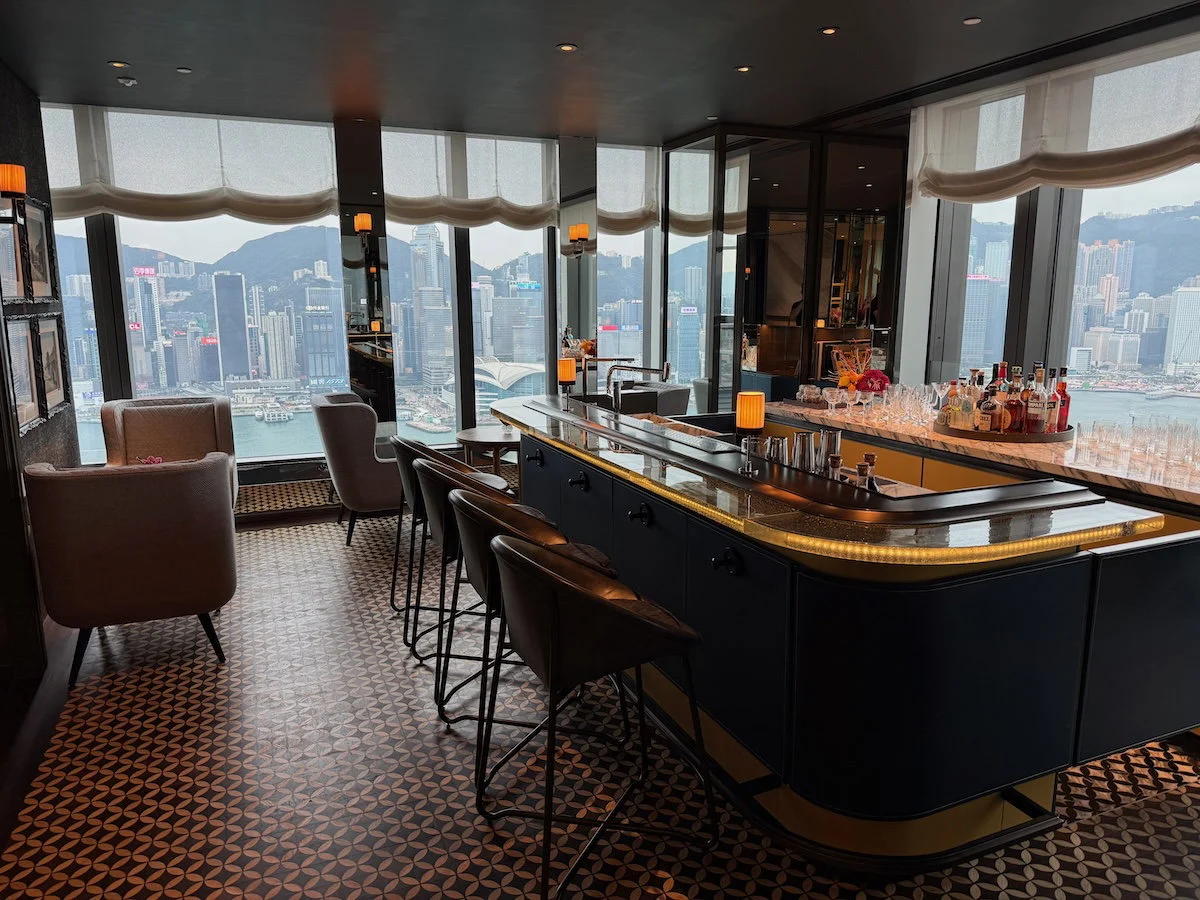
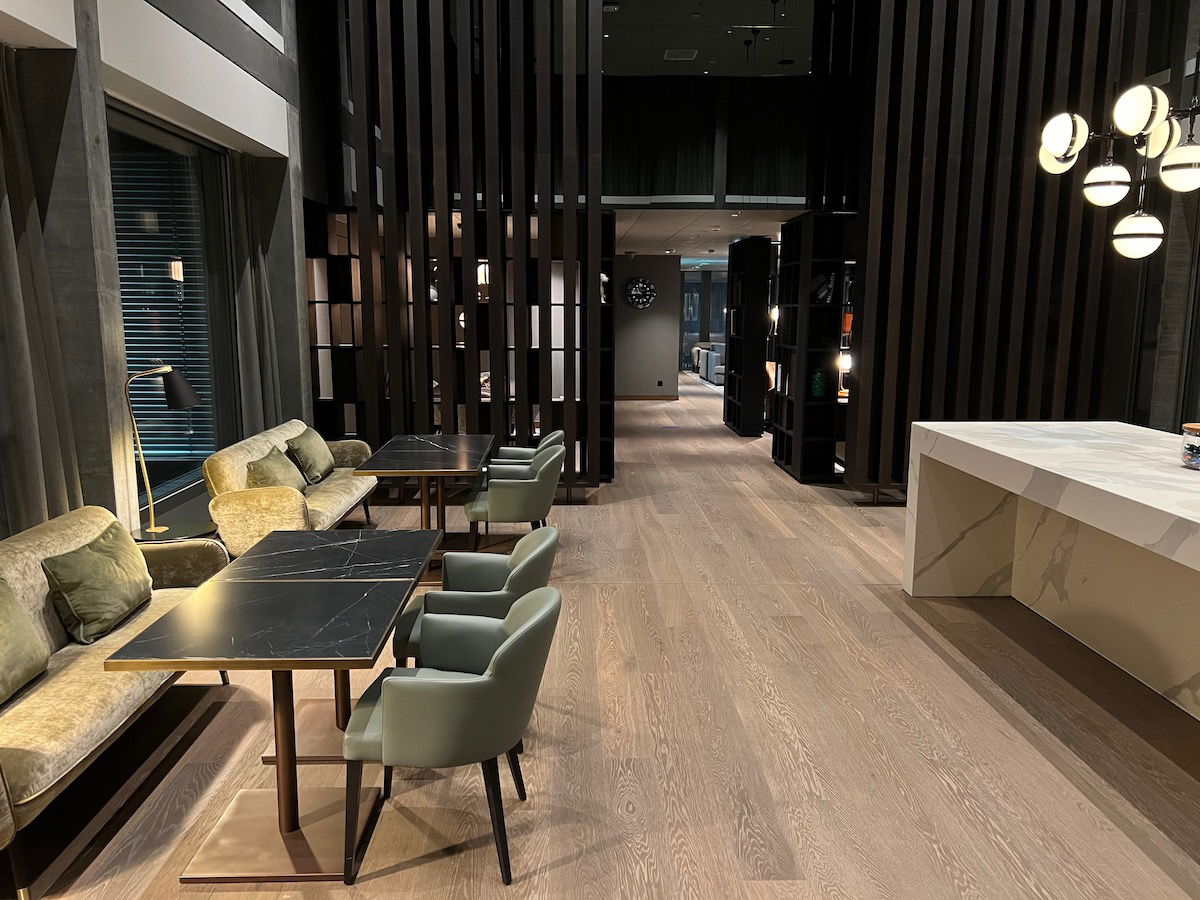
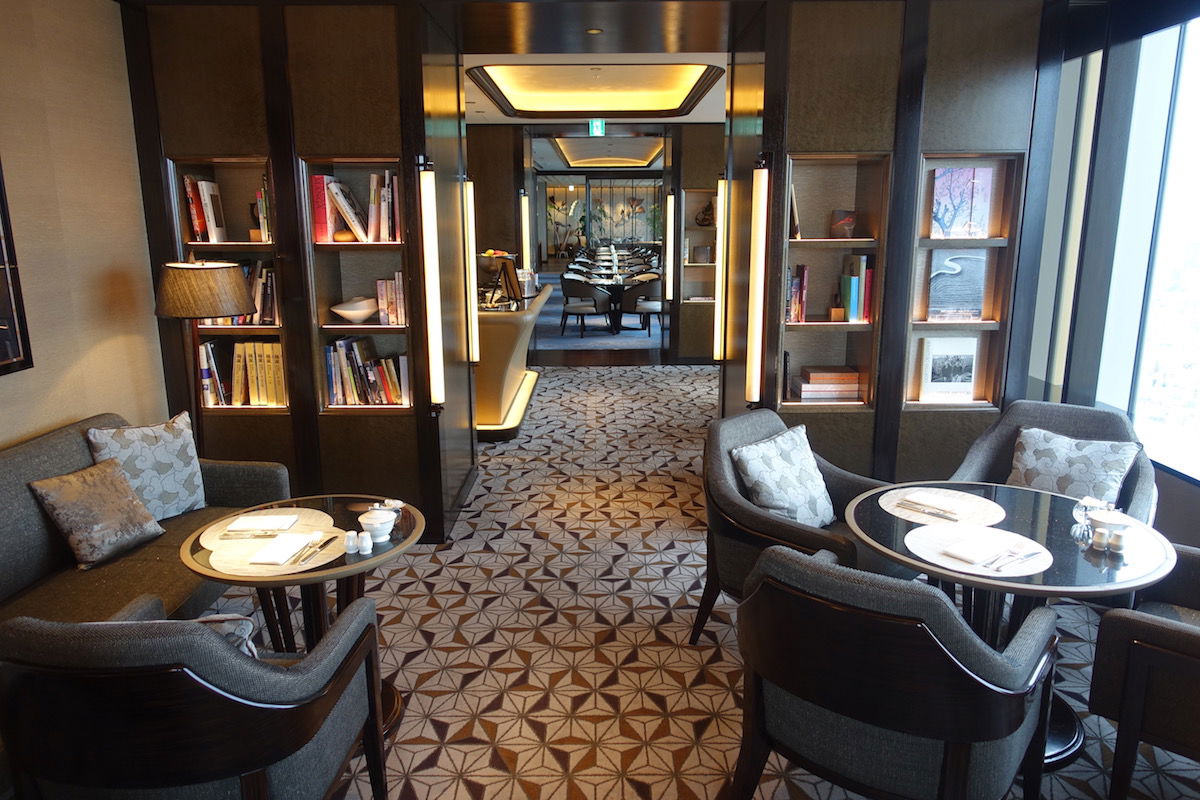
To understand the value of a club lounge, one must first recognize that the term is a broad umbrella covering vastly different experiences. At their best, club lounges are an extension of the guest room, offering a refined environment with personalized service, high-end culinary presentations, and a sense of community. At their worst, they can feel like an understaffed breakroom with lukewarm coffee and a flickering television.

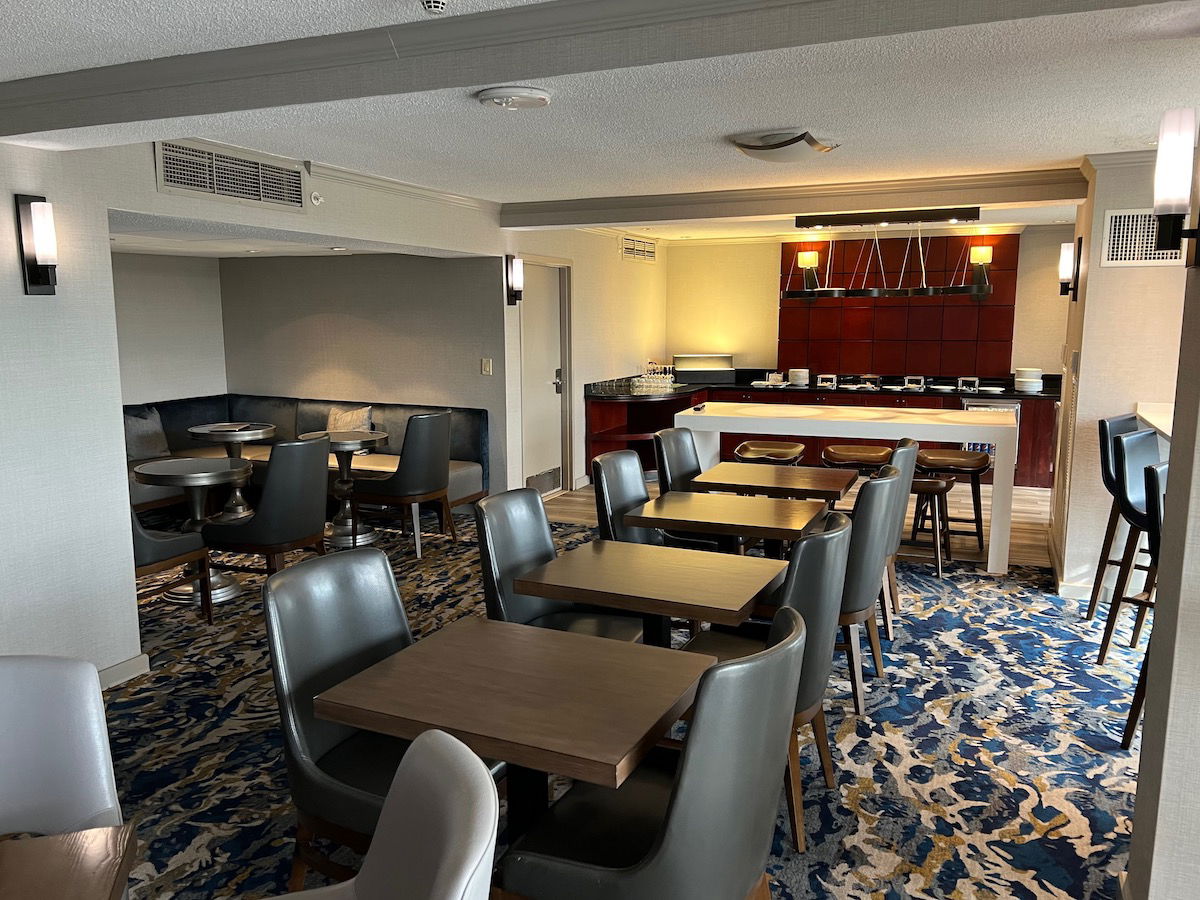
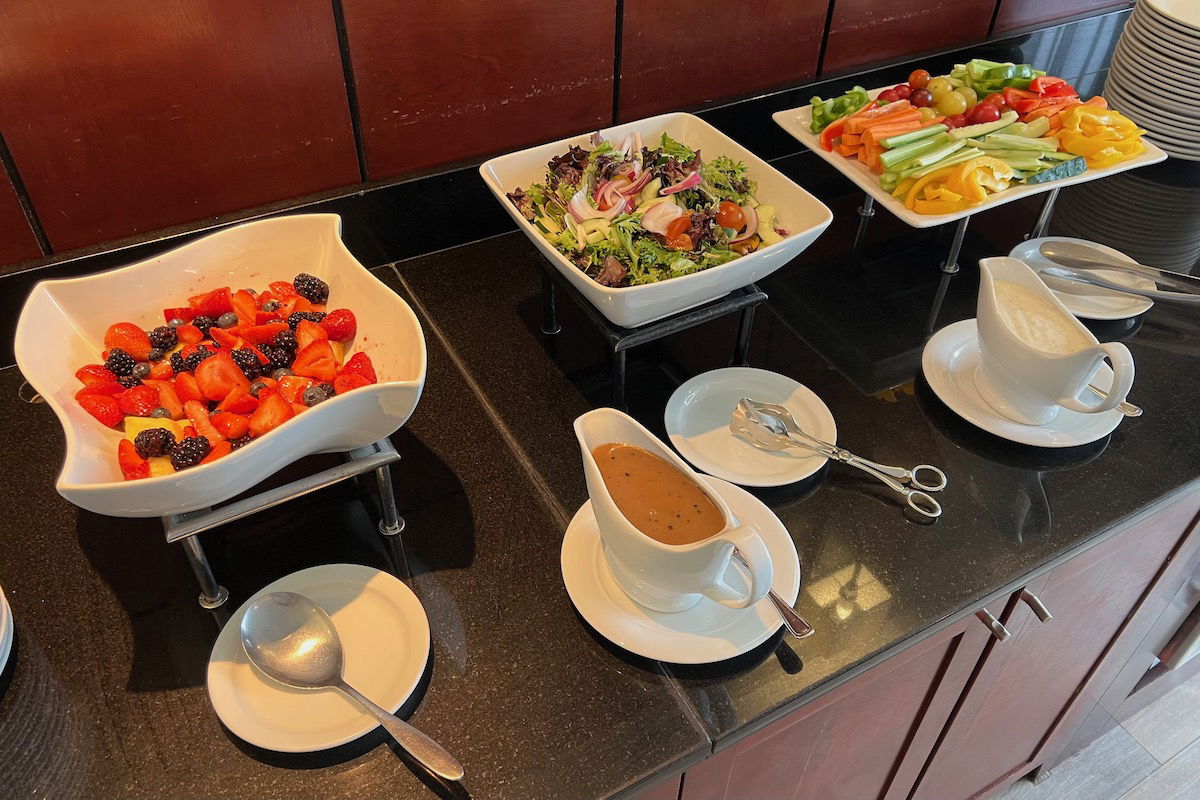
The variance is stark. In many North American business hotels, the "club lounge" experience is often utilitarian. Guests might find a modest spread of continental breakfast items, a handful of snacks in the afternoon, and a selection of basic beverages. Frequently, these spaces are dominated by large televisions broadcasting news at high volumes, which can undermine the very purpose of a quiet, upscale workspace.
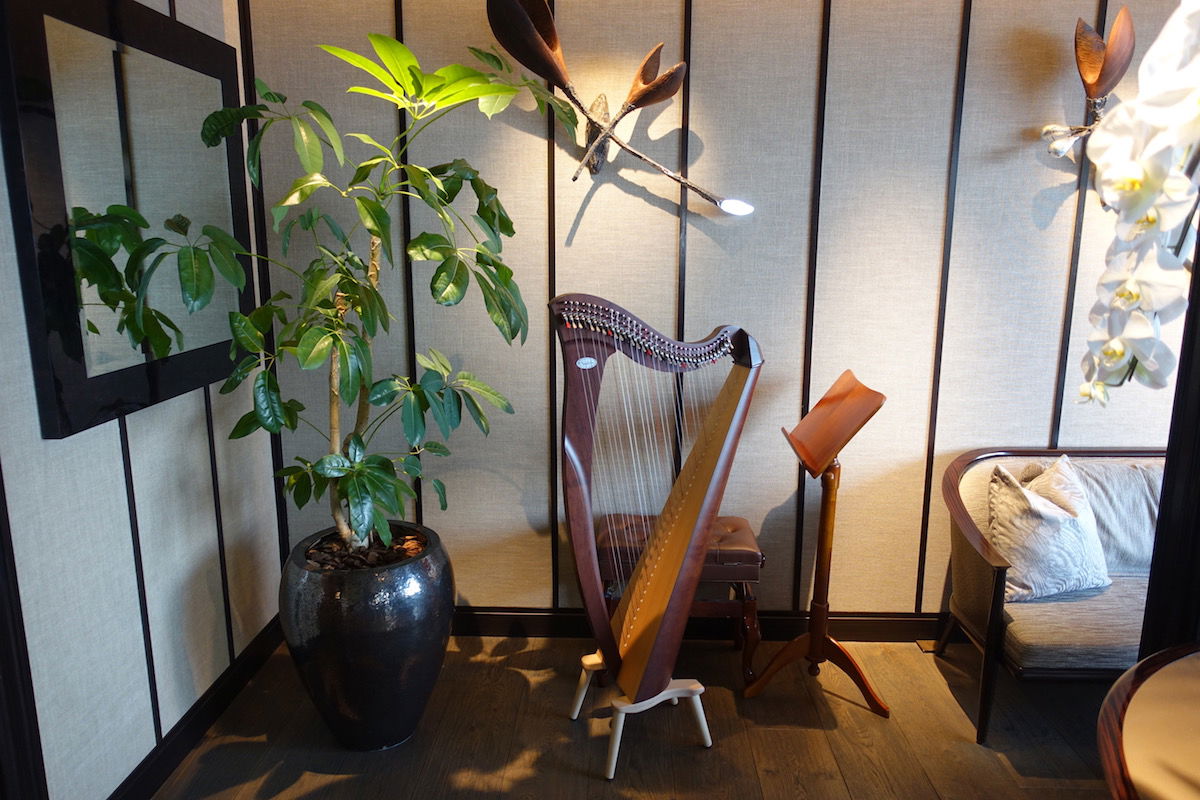
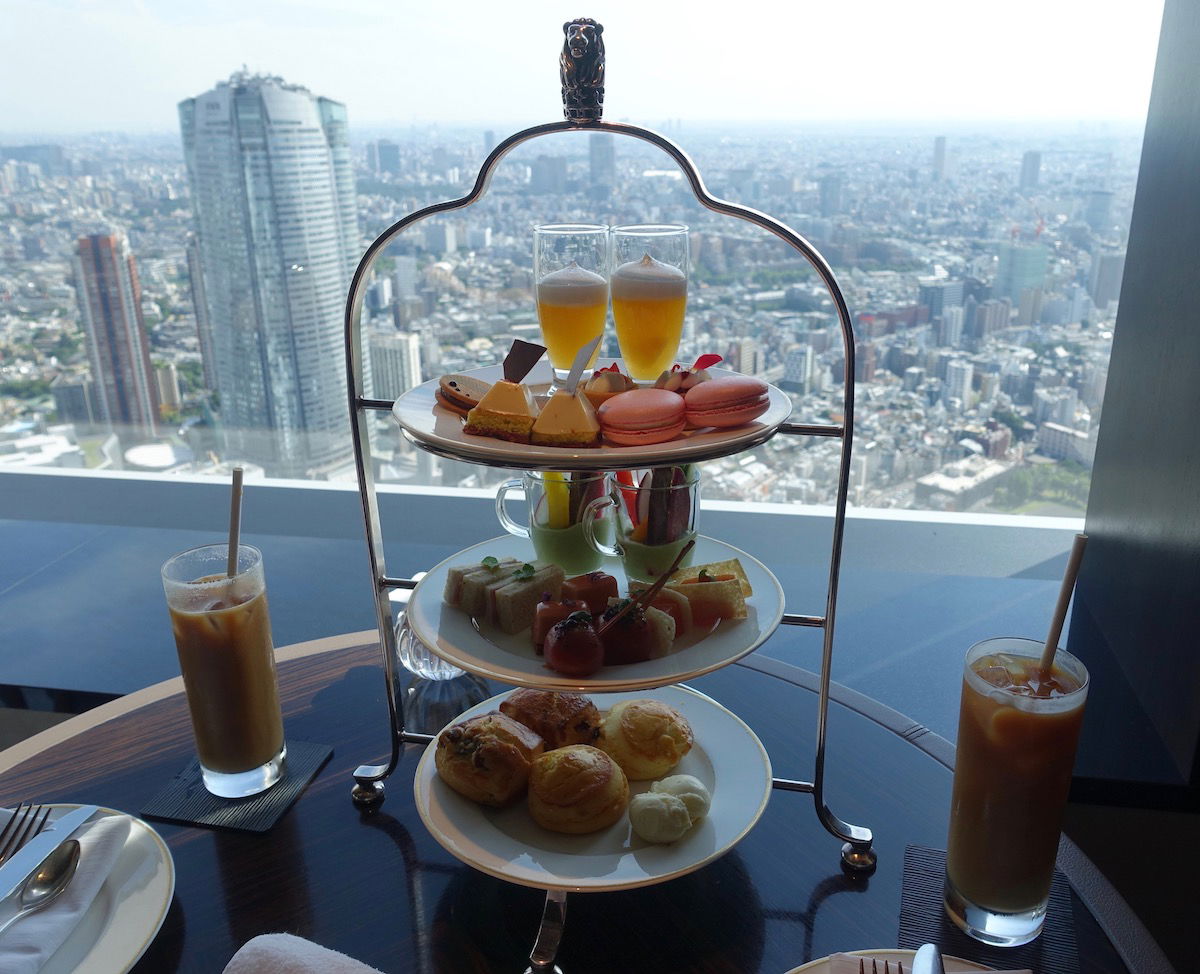
Conversely, the "gold standard" of club lounges—frequently found in Asian luxury properties—offers a vastly different value proposition. Establishments like the Ritz-Carlton in Tokyo provide a five-presentation-a-day service, where each offering could arguably substitute for a full meal. From artisanal afternoon teas to evening cocktail hours featuring expertly crafted drinks and live music, these lounges serve as the heart of the property. The difference in quality between these two extremes is akin to the chasm between a domestic economy flight and an international first-class suite.
A Chronology of Decline: From Essential Amenity to Cost-Cutting Target
The trajectory of the club lounge has been defined by three distinct phases over the last decade:
- The Pre-Pandemic Equilibrium (2010–2019): During this period, club lounges were viewed as a key competitive advantage for major hotel chains. Brands like Marriott, Hyatt, and Hilton used lounge access as a tangible reward to drive brand loyalty among elite-status members.
- The Great Shutdown (2020–2021): The onset of COVID-19 forced an immediate closure of these spaces. Initially, the closures were framed as health and safety measures. As staffing shortages gripped the industry, the closures transitioned from temporary to indefinite.
- The Post-Pandemic Correction (2022–Present): As travel demand rebounded to record levels, many hotels opted not to reopen their lounges. Ownership groups, facing rising labor costs and a desire to bolster profit margins, began to view these spaces as expensive overhead rather than essential amenities.
The Business Case for the Lounge: Why They Still Matter
Despite the trend toward closure, proponents argue that the lounge serves a function that no guest room or public lobby can replicate. For the "bleisure" traveler—the professional who mixes business with leisure—the club lounge is a critical piece of infrastructure.
The Workspace Dilemma
Modern hotel rooms are often poorly designed for deep work. They lack ergonomic seating, adequate lighting, or a separation between "rest" and "work" zones. Conversely, public lobbies are often designed for transient movement, not sustained focus. A well-designed club lounge fills this void, offering a quiet, professional environment that is conducive to productivity. For the jet-lagged traveler, the lounge acts as a vital anchor, keeping them out of the bedroom and in a space where they can stay awake and engaged.
The Social and Culinary Value
Beyond work, the lounge provides a seamless transition for meals and refreshments. While many travelers enjoy the local dining scene, the convenience of having an immediate, high-quality beverage or a light meal available without the hassle of a restaurant reservation cannot be overstated. It provides a "home base" that feels exclusive and welcoming, particularly in cities where the pace can be overwhelming.
Official Industry Stances and Economic Realities
The primary challenge facing the club lounge is one of simple economics. For a property to maintain a high-quality lounge, it must account for:
- Real Estate Costs: The space occupied by a lounge is high-value square footage that could potentially be converted into high-revenue suites or event spaces.
- Labor and Inventory: Providing food and beverage service throughout the day requires dedicated staff, kitchen support, and high-quality inventory, all of which are subject to inflationary pressures.
- The "Elite Inflation" Problem: As more guests achieve high-tier status through credit card spending and loyalty programs, the number of people eligible for "complimentary" lounge access has ballooned. This makes it difficult for hotels to maintain the exclusivity and service levels that the lounge is meant to represent.
Major hotel groups have adopted divergent strategies. Some luxury brands, such as Four Seasons and Mandarin Oriental, have largely avoided the traditional "club lounge" model, preferring to focus on high-touch, in-room service or à la carte club-level benefits. Meanwhile, groups like Marriott have adopted a tiered approach, where access to the finest lounges (such as those at Ritz-Carlton properties) is explicitly excluded from standard loyalty benefits, preserving the value for those willing to pay the premium.
Implications for the Future of Hospitality
The decline of the club lounge is indicative of a broader shift in the hospitality industry toward "unbundling." Just as airlines have stripped away amenities to lower base fares, hotels are increasingly moving toward a model where premium services are separated from the room rate.
1. The Rise of "Pay-to-Play"
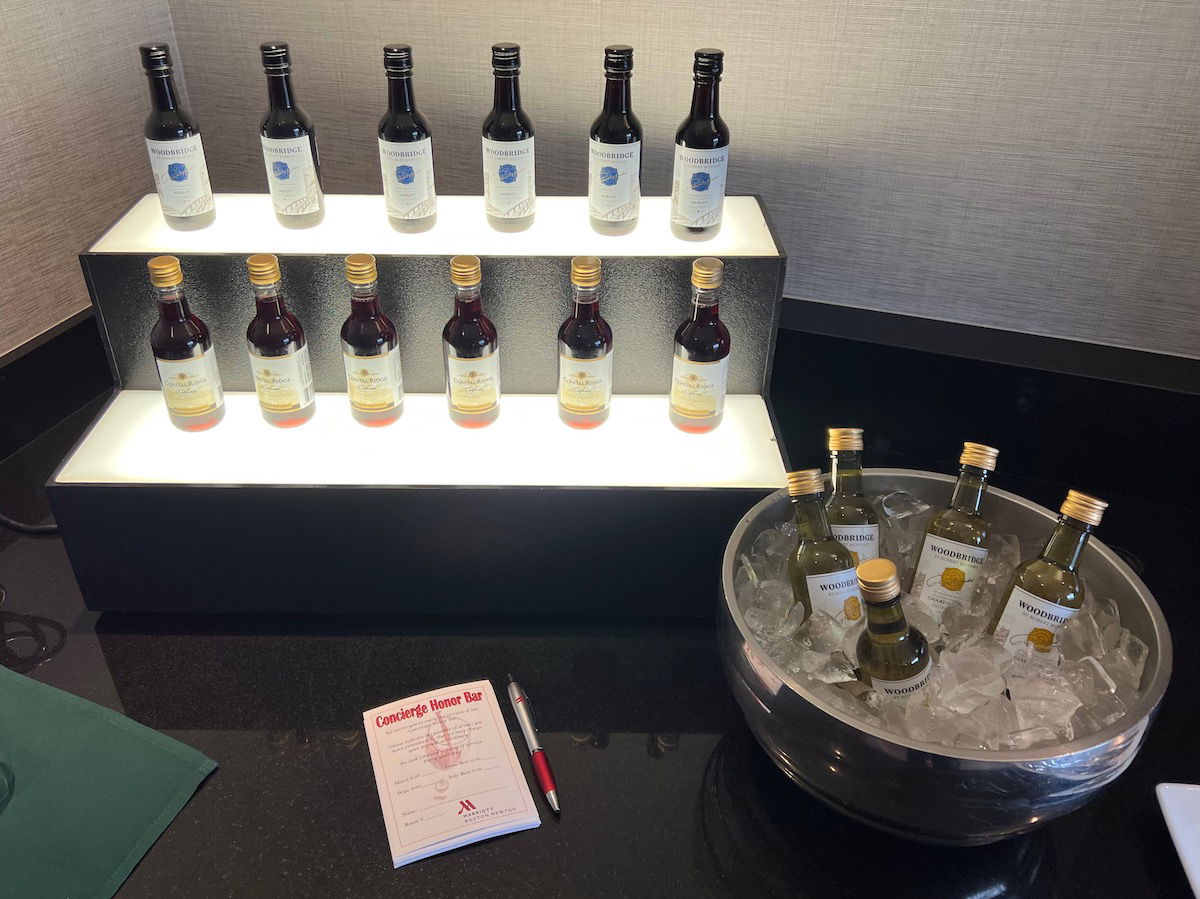
We are likely to see more hotels transition from status-based access to a pay-per-day model. By treating the lounge as an optional add-on, hotels can generate direct revenue while controlling the density of the space.
2. The Polarization of Service
We are witnessing a divergence in the market. Budget and mid-tier brands are likely to abandon the lounge concept entirely, while ultra-luxury properties will likely double down on them—not as a loyalty perk, but as a signature, revenue-generating luxury experience.
3. The Search for Alternatives
As lounges disappear, the demand for "third places"—co-working spaces, quiet hotel bars, and high-end cafes—will increase. Hotels that fail to provide a lounge may find themselves losing the lucrative demographic of business travelers to competitors who invest in dedicated, quiet environments.
Conclusion: Is the Best Behind Us?
The hotel club lounge is at a crossroads. While the economic headwinds are strong, the fundamental human need for a "third place"—a space between home and the office—remains robust.
For the traveler, the future of the lounge will likely be one of increased exclusivity. While we may lose the "unlimited" access model of the past, we may gain a more refined, deliberate experience for those willing to pay for it. The era of the ubiquitous hotel lounge may be fading, but its value as a sanctuary for the modern, mobile professional remains undiminished. Whether hotels choose to view these spaces as a burdensome cost or a defining brand pillar will determine the next chapter of the guest experience.
As we look toward the future, one thing is certain: the hotels that manage to keep these spaces alive—not as mere snack bars, but as truly elevated, quiet, and productive sanctuaries—will continue to win the loyalty of the world’s most discerning travelers.