







Building a robust credit profile is often described as a marathon rather than a sprint. For many, the journey toward a high credit score is shrouded in mystery, fueled by myths of "overnight" credit repair and misunderstandings regarding how scoring models function. Whether you are a recent graduate establishing your financial footprint or an individual working to recover from past fiscal setbacks, understanding the mechanics of credit is the first step toward financial independence.
The Foundation: How Credit Scores Are Born
For those starting from scratch—often referred to as "credit invisible"—the initial hurdle is simply generating a score. Credit scoring models, such as FICO® and VantageScore®, require a minimum amount of data to produce a reliable risk assessment.
Typically, you can expect your first credit score to manifest roughly six months after you open your first qualifying account. This six-month window serves as the baseline for creditors to observe your behavior. During this time, you must maintain active, reported account history. Simply opening a credit card is insufficient; you must use it and ensure that activity is reported to the three major credit bureaus (Equifax, Experian, and TransUnion).
Why the Six-Month Rule Matters
Credit scoring is fundamentally a game of risk assessment. Lenders are not merely interested in your identity; they are interested in your reliability. By requiring six months of data, bureaus ensure that they have a sufficient "snapshot" of your financial habits. For those who have historically dealt in cash or are new to the country, this period can feel like an eternity, but it is a necessary rite of passage in the modern financial ecosystem.
Chronology of Credit Development: A Staircase Approach
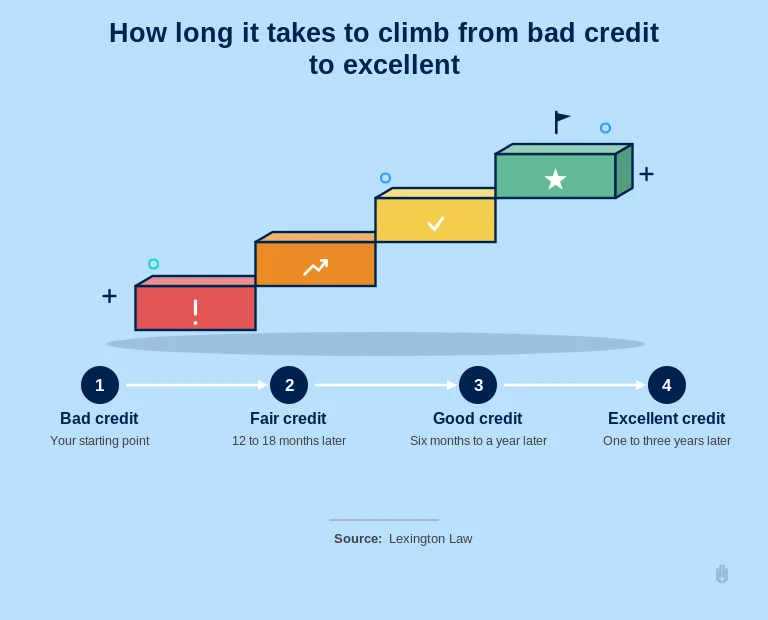
Moving from a "no score" status to an "excellent" rating is a tiered process. While individual results vary based on local economic conditions and personal financial management, the general trajectory follows a predictable timeline.
1. From "No Score" to "Fair" (0–12 Months)
The initial phase is about establishing trust. By opening a starter account—such as a secured credit card or a credit-builder loan—you begin to build the narrative of a responsible borrower. During the first year, your focus should be entirely on consistency: making every payment on time and keeping your credit utilization ratio low.

2. From "Fair" to "Good" (12–24 Months)
Once you have an established history, the shift from fair to good is largely about longevity and responsible maintenance. At this stage, your credit report reflects a pattern of stability. If you avoid derogatory marks like late payments or accounts sent to collections, your score will naturally drift upward as the age of your credit accounts increases.
3. From "Good" to "Excellent" (2–5 Years)
The leap into the "excellent" tier—often defined as a FICO score of 800 or higher—is the most time-intensive phase. Because "Length of Credit History" is a significant component of your score, there is no shortcut. You are essentially waiting for your oldest accounts to mature. At this stage, the primary goal is maintenance: keeping your debt-to-credit ratio low and avoiding unnecessary hard inquiries.
The Anatomy of a Credit Score
To master your credit, you must understand the weights applied by the two dominant scoring models.
FICO® Scoring Factors
The FICO model is the industry standard for most mortgage and auto lenders. It breaks down your score into five distinct categories:
- Payment History (35%): The single most important factor. Even one missed payment can significantly dent your progress.
- Amounts Owed (30%): This looks at your credit utilization ratio—how much of your available credit you are actually using.
- Length of Credit History (15%): The age of your oldest and newest accounts, as well as the average age of all accounts.
- New Credit (10%): How many accounts you have opened recently. Too many in a short window can signal desperation to lenders.
- Credit Mix (10%): The variety of credit you have, such as revolving credit (cards) vs. installment loans (car, student, or personal loans).
The VantageScore® Perspective
While similar, the VantageScore model—frequently used by personal finance apps and credit monitoring sites—places a slightly different emphasis on these factors, often giving more weight to "Credit Utilization" and "Total Credit Usage," making it a highly responsive tool for those actively managing their balances.
The Cost of Missteps: Rebuilding After a Setback
The most critical aspect of credit management is damage control. A single late payment can act as a "reset button" on your progress, potentially adding months or even years to your journey.

When rebuilding after a default, bankruptcy, or collection account, the timeline shifts significantly. You are no longer building on a blank canvas; you are attempting to clean a damaged one. Rebuilding typically requires 12 to 24 months of "perfect" behavior to offset the weight of negative historical data. During this time, the negative marks slowly age and lose their impact on your score, provided they are not joined by new derogatory entries.
Professional Advocacy and Accuracy
A common obstacle that goes unnoticed by many consumers is the presence of inaccuracies on their credit reports. A report might list an account that isn’t yours, show a debt as unpaid when it has been settled, or contain erroneous collections notices.
These inaccuracies act as invisible anchors, keeping your score low despite your best efforts to maintain good habits. This is where professional intervention becomes vital. Organizations like Lexington Law specialize in reviewing credit reports to identify and dispute these inaccuracies. By ensuring that your credit file reflects only verified and accurate information, you ensure that your hard work in building credit is not being undermined by clerical errors or fraudulent activity.
Implications for Your Financial Future
The implications of your credit score extend far beyond the ability to secure a credit card. Your score acts as a financial reputation, influencing:
- Interest Rates: A higher score saves you tens of thousands of dollars in interest over the life of a mortgage or auto loan.
- Insurance Premiums: Many states allow insurance companies to use credit-based insurance scores to determine premiums.
- Housing and Employment: Landlords frequently check credit reports for prospective tenants, and some employers view credit history as an indicator of personal responsibility.
Frequently Asked Questions (FAQs)
Can I improve my score in 30 days?
While you cannot "build" a long-term credit history in a month, you can often see a score increase by paying down high credit card balances before your statement closing date. This reduces your reported utilization, which is one of the most volatile and quick-to-change variables in your score.
Does checking my own credit hurt me?
No. Checking your own credit report or score is considered a "soft inquiry." It is invisible to lenders and has zero impact on your score. Hard inquiries, which occur when you apply for new credit, are the only ones that can cause a minor, temporary dip.

What is the fastest way to build credit?
Becoming an "authorized user" on a family member’s well-managed credit card is the fastest way to build a history. This allows you to inherit the account’s positive payment history and age, provided the primary account holder maintains good habits.
Conclusion: The Power of Patience
Building a credit score is an exercise in discipline and patience. While there are strategies to accelerate the process—such as becoming an authorized user or strategically paying down balances—there is no substitute for time. By avoiding the pitfalls of late payments, maintaining low utilization, and ensuring your credit report is free from inaccuracies, you can successfully navigate the path toward an excellent credit score, unlocking greater financial freedom and lower costs for years to come.
Disclaimer: The information provided in this article is for general informational purposes only and does not constitute legal, financial, or credit advice. Please consult with a qualified professional regarding your specific financial situation.