







Just when real estate investors thought the worst of the high-interest-rate environment was in the rear-view mirror, the economic landscape has shifted once again. Echoing Al Pacino’s famous line in The Godfather III—“Just when I thought I was out, they pull me back in!”—market participants are grappling with the harsh reality that elevated borrowing costs are here to stay a bit longer.
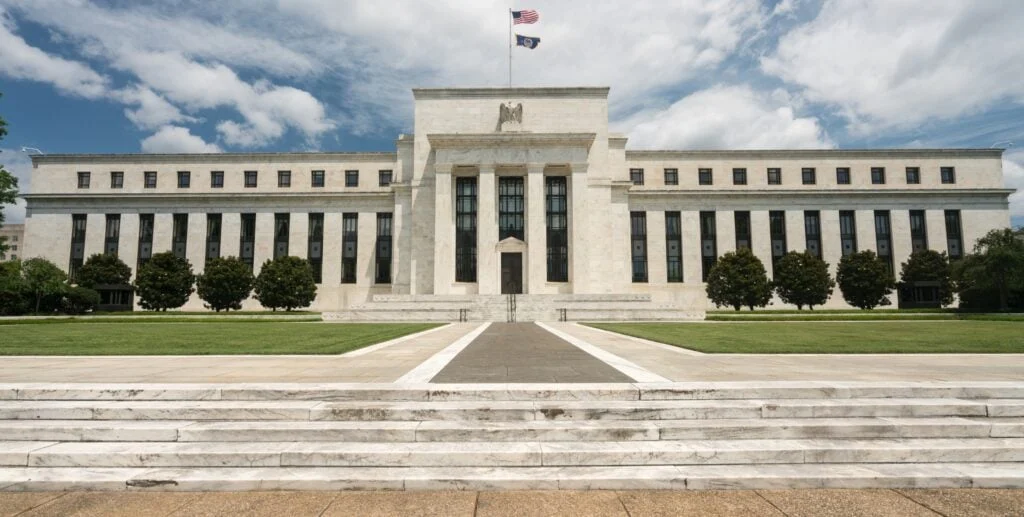
Following a September meeting driven by rising inflation pressures largely sparked by geopolitical conflict in the Middle East, the Federal Reserve implemented a quarter-percentage-point rate hike. For a sector that has endured years of compressed profit margins, negative cash flows, and climbing mortgage rates—which currently sit comfortably above the 7% threshold—this development feels like adding fuel to an already blazing fire.
Yet, beneath the surface of the headline-grabbing monetary policy change lies a more nuanced reality. For well-capitalized investors, market cooling can unlock unprecedented opportunities. To navigate this evolving terrain, it is essential to examine the core facts, chronological context, underlying data, expert reactions, and long-term implications for the housing market.
Main Facts: Decoding the Fed’s Move and Mortgage Realities
To understand the current state of real estate, one must first untangle how monetary policy actually impacts the housing sector. A common misconception is that the Federal Reserve directly dictates mortgage rates. In truth, the Fed sets the federal funds rate, which influences short-term borrowing costs. Mortgage rates, however, are tied to long-term bond yields, inflation expectations, and investor demand for mortgage-backed securities.
This structural difference explains why borrowing costs can drift upward even during periods of apparent monetary stabilization. The latest quarter-point rate hike does not operate in a vacuum; it compounds an already stringent lending environment.
- The Immediate Impact: Retail owner-occupants and traditional homebuyers are increasingly priced out of the market. Even a minor shift from 6.75% to 7.0% in mortgage rates sidelines a substantial demographic of buyers.
- The Silver Lining for Investors: Slower retail demand translates to reduced competition, increased negotiating power, and greater seller flexibility. Investors with liquid capital or creative financing strategies find themselves uniquely positioned to acquire undervalued assets.
- The Rental Boom: With would-be buyers forced to remain in the rental pool, rental demand continues to surge. This dynamic helps landlords sustain high occupancy rates and maximum rents, offsetting some of the pain caused by higher debt-servicing costs.
Chronology: A Sequel Played Out Across Multiple Administrations
The current monetary tug-of-war feels like a cinematic franchise with recurring characters and a repetitive script. The cast may change, but the core conflict remains the same: balancing inflation control with economic growth, all while the housing market absorbs the shockwaves.
- The Powell-Biden Era (2022–2024): As post-pandemic inflation surged, Federal Reserve Chair Jerome Powell, working alongside the Biden administration, embarked on an aggressive campaign of historic rate hikes to cool an overheated economy. This marked an abrupt end to the era of cheap money, halting the momentum of leveraged real estate investing overnight.
- The Transition and Political Shifts: As political leadership evolved—transitioning through subsequent administration shifts involving both political parties and ongoing discussions regarding Fed leadership—market participants continually anticipated policy pivots. Hopes were high that newly appointed or designated Federal Reserve leadership, such as Kevin Warsh, would signal an immediate pivot toward dovish monetary easing.
- The September Reality Check: Instead of the anticipated rate cuts, persistent inflationary pressures—exacerbated by global supply chain disruptions and geopolitical conflicts—forced the Fed’s hand. The recent quarter-point hike shattered lingering illusions of an imminent return to ultra-low rates, forcing investors to permanently adjust their underwriting criteria for the foreseeable future.
Supporting Data: A Regional Tale of Two Markets
The U.S. housing market is far from monolithic. Macroeconomic rate hikes ripple through individual regions at vastly different speeds, creating localized pockets of opportunity and risk.
According to recent housing reports from industry trackers like Realtor.com and the Federal Reserve Bank of New York, market cooling is highly fragmented:
- The Midwest: Emerging as a fertile hunting ground for disciplined real estate investors. August pending sales in the region dropped 4.3% year-over-year, signaling a notable cooling in competition and presenting attractive acquisition entry points.
- The West: Pending sales declined by 3.3% compared to the previous year, with price reductions affecting over 20% of active listings in certain sub-markets.
- The South and Northeast: Demonstrating surprising resilience, pending sales ticked upward slightly—up 1.8% in the South and 1.1% in the Northeast. However, price adjustments remain common, with roughly 14.1% of listings experiencing price drops in the Northeast, compared to over one-fifth of inventory in southern markets.
Furthermore, consumer inflation expectations and rent growth metrics published by regional Federal Reserve branches confirm that underlying shelter demand remains remarkably sticky. Urban and suburban rental markets continue to absorb new inventory rapidly, providing a vital revenue buffer for property owners.
Official Responses and Industry Sentiment
Real industry leaders and housing executives are voicing mixed reactions to the shifting monetary landscape, emphasizing that adaptability is the ultimate key to survival in the current climate.
Benjamin Cohen, a prominent mortgage executive, highlighted the upside for patient buyers in a recent market assessment:
"For buyers, a slower market can actually create opportunity. There is more time to make a decision, more negotiating power, and potentially more flexibility from sellers."
At the same time, the elimination of marginal buyers is reshaping transaction volumes. Beau Keenan, broker-owner of Dickson Realty, pointed out the psychological and financial barrier imposed by crossing key rate thresholds:
"Historically, rates are not that high, but we are also at the highest prices ever seen in many markets, so having rates this high on top of record-high prices, we noticed that just going from a 6.75% rate to a 7% rate, it takes out a swath of buyers."
For those navigating the market successfully, cash and deep equity reserves are proving to be the ultimate shield against macroeconomic volatility. Anna-Marie Ellison, vice president of sales at John R. Wood Properties Christie’s International Real Estate, observed:
"A lot of our buyers are coming in with equity from a home they just sold, or they’re paying cash outright, so a hike isn’t going to keep them away."
Implications for Real Estate Investors
As the dust settles from the Fed’s latest policy shift, real estate investors must carefully evaluate their strategic positioning. The era of easy leverage and speculative appreciation has given way to a fundamentals-driven market.
1. The Challenge to Traditional Leverage and BRRRRs
Strategies reliant on low-interest debt—such as the popular BRRRR (Buy, Rehab, Rent, Refinance, Repeat) method—face significant friction. Higher mortgage rates make the "Refinance" stage exceptionally difficult to pencil out profitably, as debt-service coverage ratios (DSCR) tighten. Investors attempting to scale rapidly via heavy borrowing risk negative cash flow if underwriting assumptions prove overly optimistic.
2. The Triumph of Liquid Capital and Cash Buyers
As hip-hop legends Wu-Tang Clan famously noted, “C.R.E.A.M. (Cash Rules Everything Around Me).” In today’s high-rate environment, this maxim is more relevant than ever. Investors armed with liquid capital, accumulated equity, or alternative financing structures can bypass traditional lending hurdles entirely. They can dictate terms, demand seller concessions, and acquire assets at a discount while competitors sit on the sidelines.
3. Shift from Expansion to Optimization
For landlords locked into favorable, low-interest legacy loans, aggressive portfolio expansion may no longer be the wisest course of action. Instead, deploying current cash flow toward property upgrades, energy-efficiency improvements, and asset stabilization can yield higher risk-adjusted returns. Securing long-term, reliable tenants protects asset value far better than chasing turbulent new acquisitions in an uncertain rate environment.
4. Strategic Retrenchment and Portfolio Right-Sizing
Investors with multiple properties who find themselves over-leveraged should consider defensive positioning. If refinancing high-rate short-term debt has proven impossible, using operational cash flow to aggressively pay down principal balances is vital. In severe cases, executing a strategic exit—selling underperforming assets to take a calculated loss—can preserve a smaller, healthier portfolio and dramatically reduce day-to-day operational stress.
Final Thoughts
The latest Federal Reserve rate hike serves as a stark reminder that macroeconomic cycles are unpredictable and cyclical. While the temptation to keep "stacking doors" and chasing continuous growth remains strong, the current financial climate rewards discipline, patience, and conservative underwriting above all else.
Real estate investing is a marathon, not a sprint. Whether you choose to leverage accumulated equity to scoop up discounted assets or take your foot off the gas to optimize your existing portfolio, the objective remains the same: build long-term wealth while preserving peace of mind. Live to fight another day, and remember to enjoy the journey along the way.