







As the global travel sector continues its post-pandemic maturation, this week has served as a microcosm of the industry’s broader ambitions. From the resurgence of trans-Pacific connectivity to the strengthening of loyalty ecosystems and a pivotal shift in aviation manufacturing oversight, the past seven days have been marked by significant strategic recalibrations.
For the frequent traveler and industry observer alike, these developments signal a period of aggressive competition. Carriers are diversifying their route maps to capture shifting demographic demands, while hotel chains and credit card issuers are doubling down on experiential loyalty to retain premium consumers. Below is an in-depth analysis of the week’s most consequential travel and aviation news.
I. Main Facts: A Week of Strategic Industry Pivots
The aviation and travel landscape experienced several seismic shifts this week, touching on international connectivity, aerospace safety regulations, and the integration of loyalty programs.
Key headlines included:
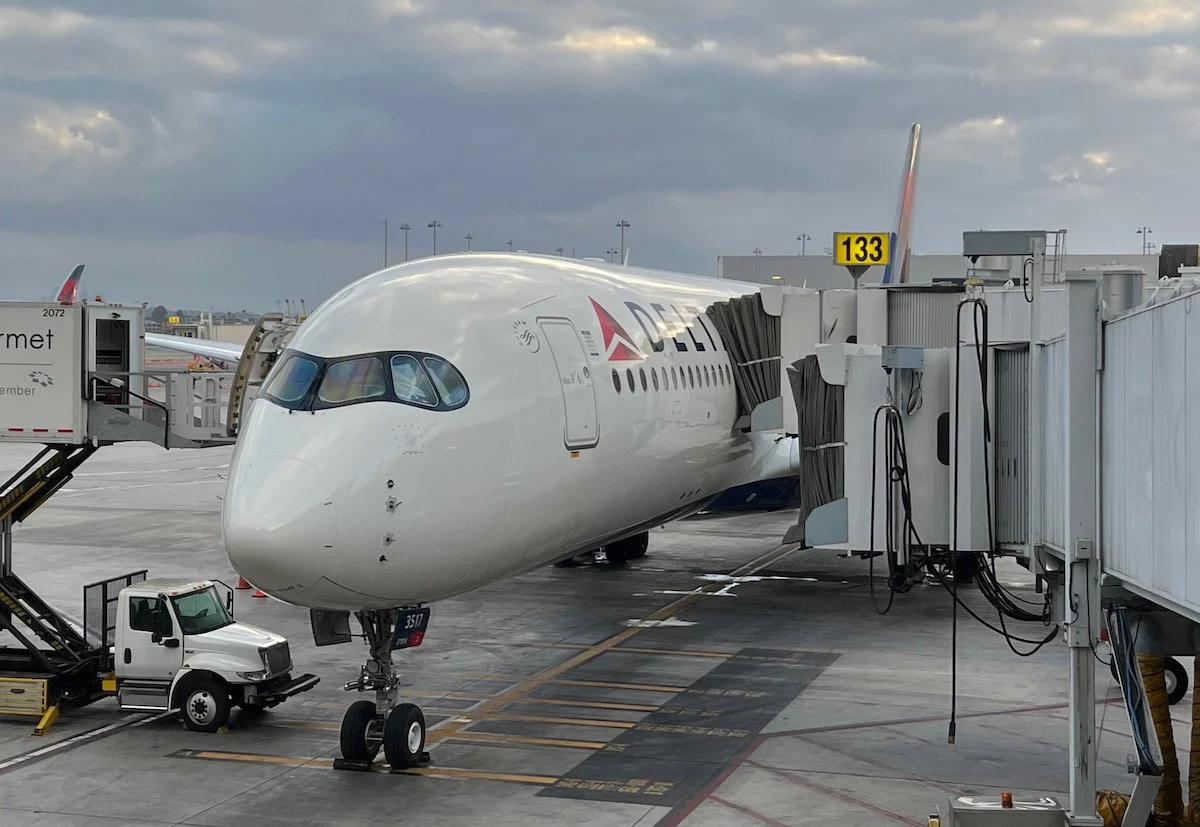
- Delta Air Lines’ Trans-Pacific Expansion: Delta officially announced its intent to launch direct service to Manila, marking a significant move to strengthen its footprint in the Southeast Asian market.
- Boeing’s Regulatory Milestone: The Federal Aviation Administration (FAA) has restored Boeing’s authority to self-certify new aircraft, a move that signals a return to normalized oversight protocols.
- Aer Lingus’ Profitability Overhaul: The Irish flag carrier unveiled a comprehensive strategic review aimed at curbing costs and improving margins amidst rising operational expenses.
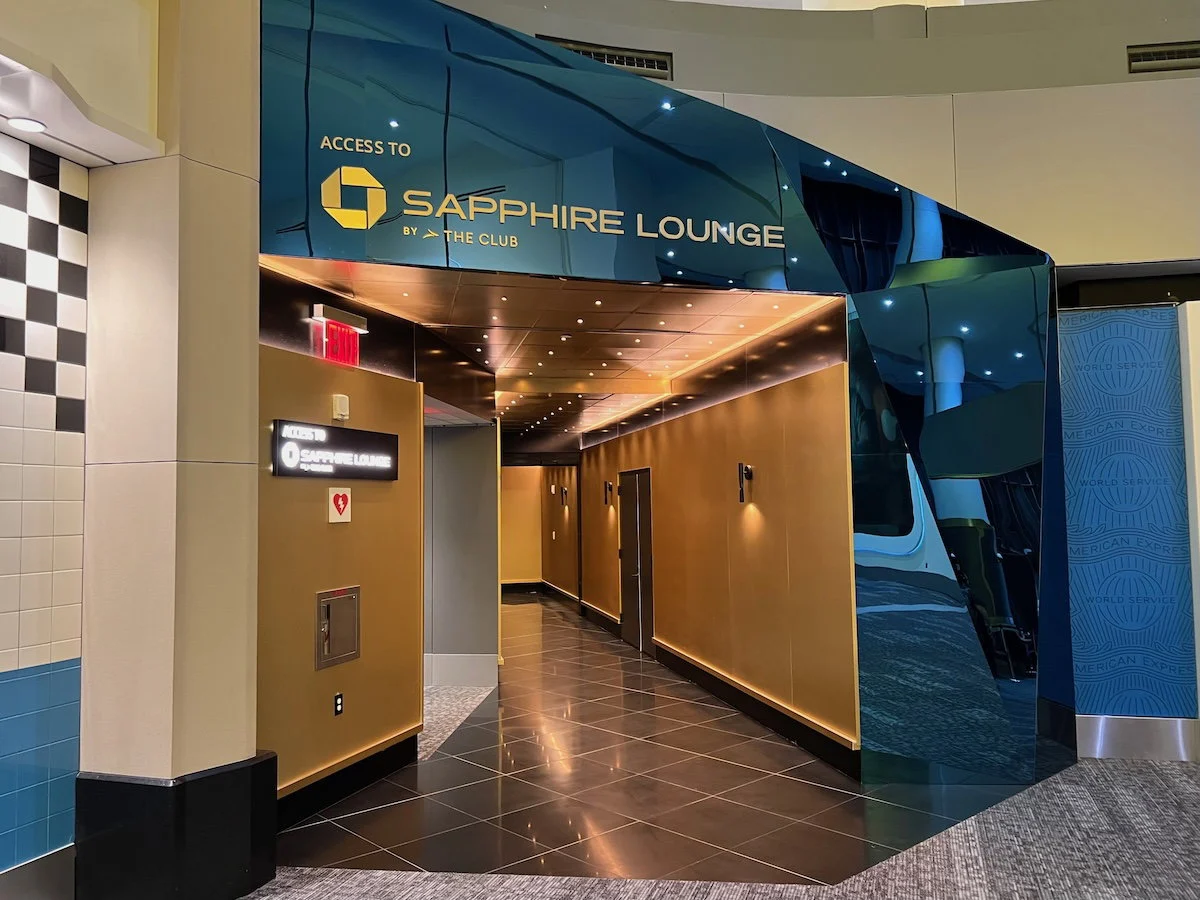
- Airport Lounge Expansion: The Chase Sapphire Lounge network grew with the inauguration of its latest facility at Dallas Fort Worth International Airport (DFW).
- Loyalty Integration: Hilton Honors announced a strategic partnership with YOTEL, expanding the footprint of the Hilton loyalty program into the "affordable luxury" and transient hotel sector.
II. Chronology of Events
The week’s news cycle unfolded with a steady cadence of announcements that highlighted the industry’s focus on growth and operational efficiency.
Monday: The Strategic Pivot
The week commenced with Aer Lingus’ announcement regarding its long-term profitability strategy. Faced with labor negotiations and fuel volatility, the airline outlined a roadmap to consolidate its route network and refine its premium cabin offerings.
Tuesday: The Boeing Regulatory Shift
Mid-week, the FAA confirmed that Boeing had regained the ability to self-certify its aircraft. This follows a long period of heightened scrutiny and third-party oversight, representing a major vote of confidence in the manufacturer’s internal quality management systems.
Wednesday: Loyalty and Infrastructure
The expansion of the travel ecosystem continued as YOTEL formally joined the Hilton Honors program. This integration allows Hilton members to earn and redeem points at YOTEL properties, effectively blurring the lines between premium full-service hotels and modern, high-tech boutique accommodations. Simultaneously, Chase solidified its presence at DFW, opening the doors to a high-end lounge designed to capture the lucrative "premium traveler" segment.
Thursday: Trans-Pacific Connectivity
Delta Air Lines rounded out the major industry news by confirming its strategic entry into the Manila market. This development is part of a broader trend of U.S. legacy carriers identifying secondary Southeast Asian hubs that have seen a surge in both business and VFR (visiting friends and relatives) travel.
III. Supporting Data and Industry Context
To understand the weight of these announcements, one must look at the underlying market data.
The Manila Market
The decision by Delta to enter the Manila market is driven by robust demand statistics. Trans-Pacific travel between the U.S. and the Philippines has seen a double-digit recovery compared to 2019 levels. According to aviation analytics firms, Manila remains one of the largest unserved (or under-served) markets for direct U.S. carrier service, providing a clear competitive opening for Delta.
Boeing and the Certification Ecosystem
The FAA’s decision to restore Boeing’s Organization Designation Authorization (ODA) is not merely a bureaucratic change. It represents the restoration of the "Delegated Oversight" model. Historically, this model has allowed for faster time-to-market for new aircraft models. However, the data suggests that the FAA will maintain a "trust but verify" stance, keeping a more digitized oversight trail of Boeing’s production floor than existed prior to the 737 MAX crisis.
Loyalty Program Valuations
The YOTEL-Hilton partnership is a strategic response to the commoditization of hotel points. By adding YOTEL—a brand popular with younger, tech-savvy travelers—Hilton is effectively increasing the "utility value" of its loyalty currency. Industry analysts note that partnerships with independent boutique brands are currently the most effective way for large chains to grow their footprint without the massive capital expenditure of new construction.
IV. Official Responses and Industry Stakeholder Perspectives
The reception to these changes has been largely optimistic, though industry analysts remain cautious regarding the execution of these strategies.
On Boeing’s Regulatory Status:
The FAA issued a statement emphasizing that "the return of self-certification authority does not equate to a decrease in oversight, but rather an increase in the accountability of the manufacturer’s own quality systems." Boeing leadership noted that this is a "significant milestone in our ongoing commitment to safety, transparency, and operational excellence."
On the Chase Sapphire Lounge at DFW:
Chase officials highlighted the lounge’s design, which emphasizes local art and Texan culinary influences. "Our goal is to create a seamless experience that begins before the traveler even steps onto the aircraft," said a spokesperson for Chase’s travel division.
On Delta’s New Routes:
Industry observers view the Manila route as a "defensive and offensive maneuver." While it helps Delta compete against United’s dominance in the Pacific, it also provides a premium product alternative for travelers who are currently forced to rely on regional Asian carriers for trans-Pacific legs.
V. Implications: What This Means for the Traveler
The ripple effects of this week’s news will be felt by travelers throughout the coming year.
1. The "Premiumization" of the Travel Journey
The opening of the DFW Sapphire Lounge and the Hilton-YOTEL partnership underscore a broader trend: the travel experience is increasingly defined by the "peripheral" services. Travelers are prioritizing lounges, loyalty flexibility, and premium amenities over mere seat price. For the consumer, this means that loyalty is becoming more "portable" and useful across a wider array of travel styles.
2. Operational Reliability
Boeing regaining its certification authority is, theoretically, good news for the supply chain. If Boeing can regain the cadence of its production and delivery schedules, airlines like Delta and United may see their delivery timelines stabilize. For the traveler, this reduces the likelihood of "equipment swaps" caused by aircraft shortages, which have been a primary source of flight cancellations over the last 18 months.
3. Route Diversity
Delta’s Manila service is part of a larger trend of "re-globalization." As airlines diversify their route maps, travelers benefit from more non-stop options. This competition generally puts downward pressure on business class fares, even if it creates more complexity for booking systems.
4. The Cost of Loyalty
As programs like Hilton Honors continue to integrate external partners, the "earning-to-burning" ratio becomes more complex. Travelers should expect to see more "dynamic pricing" for reward redemptions as chains attempt to balance the increased utility of their points with the need to protect their bottom lines.
Conclusion: Looking Ahead
As I continue my current review trip, moving at a rapid pace across multiple time zones, these industry developments feel particularly poignant. We are living through an era where the logistical backbone of travel—the aircraft and the routes—is stabilizing, while the experiential layer—the lounges and the loyalty programs—is becoming more aggressive and integrated than ever before.
For the traveler, the takeaway is clear: the industry is entering a phase of "optimized growth." Airlines are focusing on high-demand, high-yield routes; manufacturers are attempting to balance speed with rigorous internal oversight; and hospitality groups are redefining what it means to be a loyal customer.
Stay tuned for more detailed reviews and analysis in the coming days as we delve deeper into how these corporate shifts translate into the actual passenger experience. The travel landscape is shifting, and those who remain informed will undoubtedly be the ones who reap the greatest rewards from these changes.