










For generations, the archetypal image of retirement has been static: a quiet morning on the golf course, a leisurely stroll through a garden, or perhaps a long-awaited trip around the globe. Yet, as the calendar turns, the definition of leisure is undergoing a seismic shift. For a growing cohort of older adults—Boomers and Gen Xers who grew up alongside the dawn of the digital age—the new frontier isn’t found on the green, but in the vibrant, high-definition sprawl of virtual worlds.
At the center of this cultural pivot is the launch of Grand Theft Auto 6 (GTA 6), a title that has shattered industry records and sparked a surprising wave of interest among demographics that many marketers traditionally overlook.
The Magnitude of the Launch: A Record-Breaking Phenomenon
The release of Grand Theft Auto 6 is not merely a product launch; it is a global cultural event. After more than a decade of anticipation following the 2013 release of its predecessor, GTA 5, the latest installment in the franchise has already cemented its place in history.
The numbers are staggering. In its initial launch window, the game generated a record-breaking $1.65 billion in pre-order revenue, with over 17 million copies sold worldwide. This trajectory suggests it may become the highest-grossing entertainment product of all time, surpassing even the most lucrative Hollywood blockbusters. The game transports players into "Leonida," a sprawling state anchored by the neon-drenched, Miami-inspired metropolis of Vice City. Players take on the roles of protagonists Lucia and Jason, navigating an intricate web of high-stakes heists, cinematic street races, and complex social dynamics.
Chronology of a Gaming Evolution
To understand why older generations are picking up controllers, one must look at the history of the medium. The Grand Theft Auto franchise is not a "new" phenomenon to the older demographic. The original game was released in 1997, meaning a 55-year-old retiree today would have been in their late 20s when the series first debuted.
- 1997: The first Grand Theft Auto is released, introducing a top-down, 2D perspective that captured the imaginations of young adults at the time.
- 2002: Grand Theft Auto: Vice City launches, cementing the neon-soaked Miami aesthetic in the cultural zeitgeist.
- 2013: Grand Theft Auto 5 launches, introducing a massive, open-world format that would dominate the gaming industry for over a decade.
- 2025: The arrival of GTA 6 marks a generational bridge, drawing in original fans who are now entering their retirement years, alongside the newest generation of gamers.
This nostalgia, combined with the unprecedented technological leap in graphics and artificial intelligence, provides a "second act" for many who abandoned gaming in their middle years to focus on careers and family.
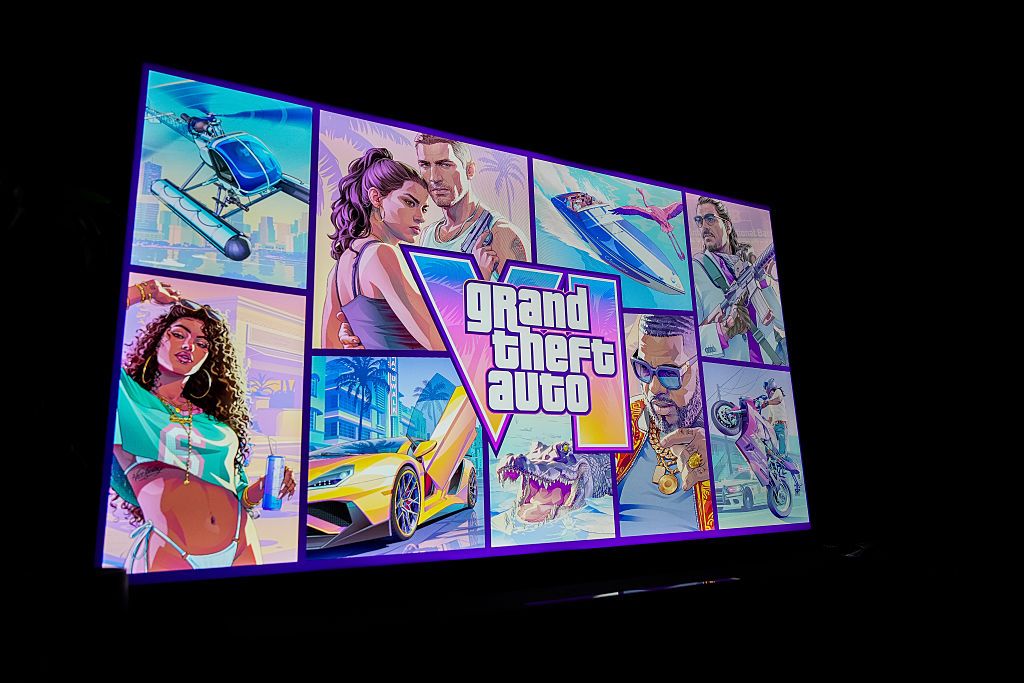
Supporting Data: The Graying of the Gaming World
The narrative that gaming is the exclusive province of the youth is statistically obsolete. According to recent research by AARP, the "graying" of the gaming demographic is one of the most significant shifts in modern entertainment.
Nearly 50% of Americans aged 50 and older—a staggering 60.2 million individuals—now identify as regular gamers. This demographic is diverse, spanning all genders, ethnic backgrounds, and income levels. The survey data suggests that this is not merely a passing phase; it is a long-term shift in how older adults choose to spend their discretionary time.
The reasons for this adoption are manifold. With the proliferation of intuitive interfaces and high-speed home connectivity, the barriers to entry have never been lower. Furthermore, the sheer variety of gaming experiences—from high-octane action titles like GTA 6 to strategy, puzzle, and simulation games—ensures that there is a digital experience for every personality type.
The Cognitive and Social Implications
While critics have long dismissed gaming as a "waste of time," modern research tells a more nuanced story. Engaging in complex, interactive digital environments offers a unique set of cognitive and social benefits that are particularly relevant to the retirement lifestyle.
1. Cognitive Sharpness and Neuroplasticity
Video games require rapid decision-making, spatial reasoning, and pattern recognition. Navigating the streets of Vice City involves managing complex maps, tracking mission objectives, and reacting to dynamic environments. These tasks act as a form of "brain training," potentially helping to maintain cognitive flexibility and executive function as the brain ages.
2. Combating Social Isolation
One of the most persistent challenges in retirement is the loss of the social structure provided by the workplace. Modern gaming, particularly online multiplayer titles, provides a platform for social interaction. Whether coordinating a virtual heist with friends or engaging in online communities, gaming serves as a bridge for connection, allowing seniors to participate in a global, intergenerational conversation.

3. Physical Dexterity and Coordination
The "hand-eye" coordination required to manipulate a controller or keyboard-mouse setup remains a vital skill. Regular gameplay helps maintain fine motor skills and reflex speed, providing a low-impact way to keep the hands and brain synchronized.
The "Retiree Advantage": Time as a Luxury
Unlike the average worker, who may be squeezing in an hour of gameplay after a grueling shift, the retired gamer possesses the ultimate luxury: time. This allows for a deeper level of engagement with the content.
"Retirees are at a distinct advantage," says a lead developer from the studio behind the project. "They have the time to master complex mechanics, explore the hidden nuances of the world, and truly appreciate the storytelling in a way that someone rushing through the game simply cannot."
From a financial perspective, the barrier to entry—a console and a copy of the game costing roughly $600—is a modest investment compared to other hobbies. A high-end set of golf clubs or a single international flight can easily cost several times that amount. For the price of a mid-range television, a retiree can secure hundreds of hours of immersive entertainment.
Official Responses and Industry Outlook
Industry analysts view the surge in older gamers as a "gold mine" for the gaming sector. Major publishers have begun adjusting their marketing strategies to acknowledge that their customer base is aging alongside their products.
"We are seeing a move away from the ‘adolescent-only’ marketing model," says Sarah Jenkins, an analyst for Digital Entertainment Trends. "Companies are realizing that the disposable income of the 50-plus demographic is significant. They aren’t just selling a game; they are selling an experience, a community, and a mental escape."

The gaming industry is responding by investing heavily in accessibility features. Modern games now include customizable text sizes, color-blind modes, and adjustable difficulty settings, ensuring that the experience is inclusive of players who may have visual or dexterity-related challenges.
Implications for the Future of Retirement
As we look toward the future, the integration of gaming into the retirement lifestyle seems poised to become the norm rather than the exception. The "digital retirement" offers a path to stay relevant, connected, and mentally engaged in an increasingly technological world.
For those who find the chaotic underworld of Grand Theft Auto to be a bit too intense, the vast library of modern gaming offers endless alternatives. From immersive historical simulations that allow players to "visit" ancient civilizations, to relaxing puzzle games that provide a meditative experience, the digital landscape is as varied as the physical one.
Ultimately, retirement is about reclaiming your time and choosing how to fill the hours of your hard-earned freedom. Whether that means keeping your swing on the fairway or mastering the streets of a virtual Vice City, the most important takeaway is that you are no longer limited by the traditional boundaries of age. The controller is in your hands—and in this new world, the game is only just beginning.