









Moving is widely recognized as one of life’s most significant stressors, but the psychological weight of relocating is often compounded by the heavy financial burden it imposes. Whether it is a local shift to a new neighborhood or a cross-country transition, the upfront costs—ranging from professional movers and security deposits to travel expenses and utility activation fees—can quickly overwhelm even the most carefully planned budgets.
According to industry data from Opendoor, the financial requirements for a move are substantial: a standard local relocation typically demands between $800 and $2,500, while long-distance moves frequently escalate to $2,500 to $7,500 or significantly more. When personal savings are insufficient to bridge this gap, individuals must turn to strategic financing. Understanding the landscape of relocation funding is essential to ensuring that a change in residence does not translate into long-term financial instability.
Main Facts: The Anatomy of Moving Costs
To effectively finance a move, one must first deconstruct the costs. Moving expenses are rarely a flat fee; they are a complex variable determined by weight, distance, and timing.
- Labor and Logistics: Professional movers charge based on the volume of items and the complexity of the move.
- Housing Hurdles: Beyond the physical relocation, renters often face the "triple threat" of a first month’s rent, a last month’s rent, and a security deposit.
- Hidden Expenses: These include cleaning services, packing materials, temporary storage, pet relocation, and the costs of setting up utilities at the new residence.
When these costs exceed liquid assets, households must evaluate whether to seek employer assistance, leverage credit, or explore alternative funding sources.
Chronology: Planning Your Financial Timeline
Effective financial management for a move should begin at least three months before the actual move date.
- 90 Days Out: Conduct a full audit of your current assets. Determine the total estimated cost of the move and identify the "shortfall"—the difference between your savings and the projected cost.
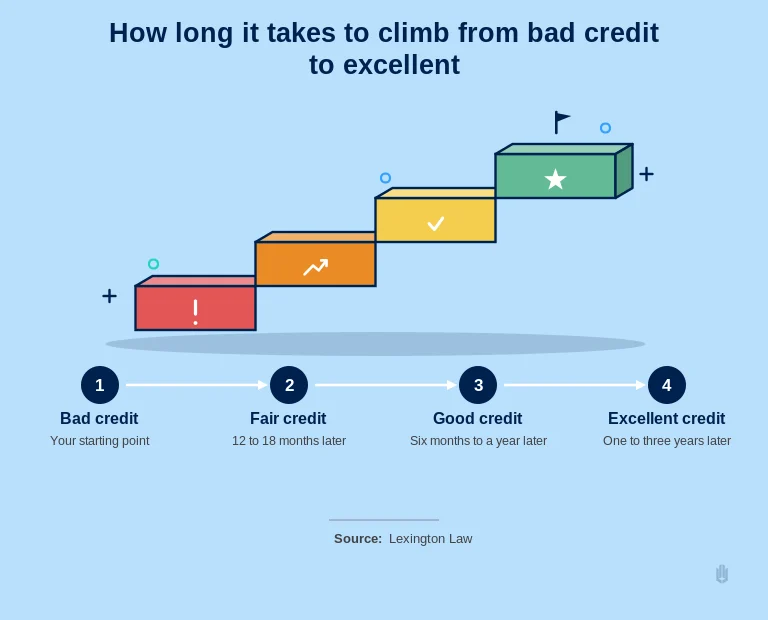
- 60 Days Out: Begin exploring professional relocation packages or personal loan options. If your credit score needs improvement, this is the window to initiate a credit assessment.
- 30 Days Out: Secure your funding. If you are applying for a loan, ensure the funds are deposited into your account well before the moving truck arrives.
- Moving Week: Focus on maintaining your payment schedule. If you have opted for a Buy Now, Pay Later (BNPL) plan or credit cards, ensure you have autopay set up to avoid the immediate credit damage caused by late payments.
Supporting Data: The Seven Pillars of Relocation Funding
1. Employer Relocation Assistance
If your move is job-related, your first stop should be the human resources department. Many companies offer relocation packages that cover everything from airfare to shipping costs. Note that these benefits are often considered taxable income by the IRS, so employees should consult with a tax professional to avoid an unpleasant surprise during tax season. For military personnel, Permanent Change of Station (PCS) orders often trigger government-funded benefits that significantly mitigate out-of-pocket expenses.
2. Liquidating Personal Assets
Before borrowing, look at what you own. Selling non-essential furniture, electronics, or clothing via digital marketplaces can generate the "bridge cash" needed to cover smaller costs. Furthermore, reducing your inventory lowers the weight-based cost of hiring professional movers.

3. Personal Relocation Loans
For larger moves, an unsecured personal loan is a common choice. These loans provide a lump sum of cash repaid over fixed installments. The interest rate is heavily dependent on your creditworthiness.
- Pros: Predictable monthly payments allow for easy budgeting.
- Cons: Origination fees and the risk of interest rate hikes if you have a lower credit score.
4. Strategic Use of Credit Cards
Credit cards offer flexibility, particularly for incidental costs like hotels or meals during a move. If you can secure a card with a 0% introductory APR, you can effectively spread the cost of the move over several months without accruing interest. However, caution is required; carrying a high balance relative to your credit limit—known as high credit utilization—can negatively impact your credit score.
5. Buy Now, Pay Later (BNPL)
Retailers and moving companies increasingly partner with BNPL providers. This allows you to split the cost of, for example, a cross-country shipping container, into four interest-free payments. While this is an excellent tool for cash flow, the short repayment period (often six to eight weeks) requires a stable income to manage.
6. Family and Private Loans
Borrowing from family can eliminate the need for a credit check and potentially remove interest payments. To protect your personal relationships, it is vital to formalize these arrangements in writing, detailing the loan amount, interest (if any), and a strict repayment schedule. Be aware of IRS "gift tax" thresholds, which may require reporting if the loan exceeds specific limits.
7. Crowdsourcing
For those facing emergency relocations due to hardship, crowdfunding platforms offer a way to solicit donations. While effective, this is a non-guaranteed source of funds and should be considered a last resort for non-emergency scenarios.
Official Responses and Credit Implications
The financial industry maintains that credit health is the primary gateway to affordable moving finance. Your credit report dictates the interest rates you will be offered for personal loans and can even influence your ability to secure a lease, as many landlords perform credit checks on prospective tenants.
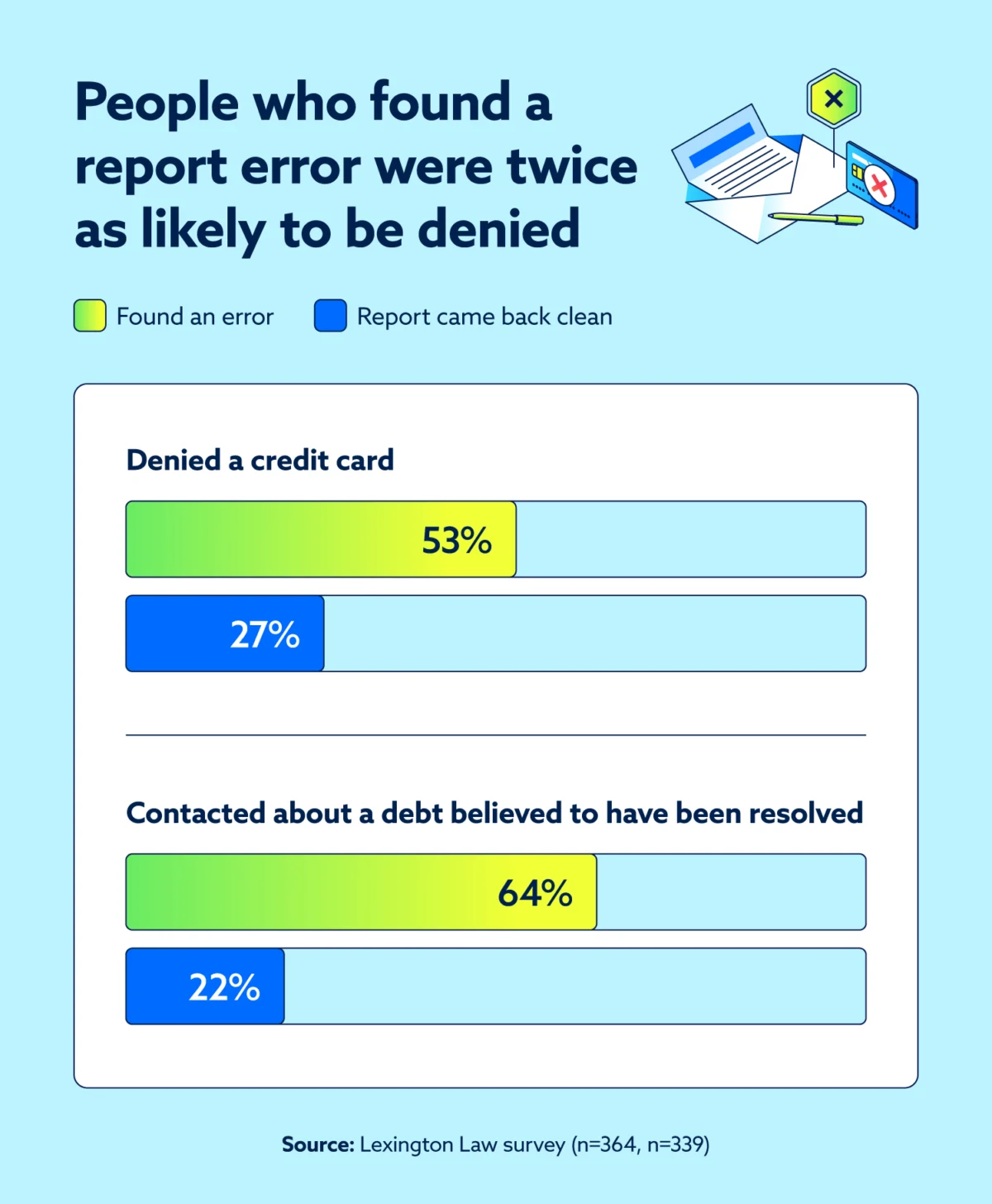
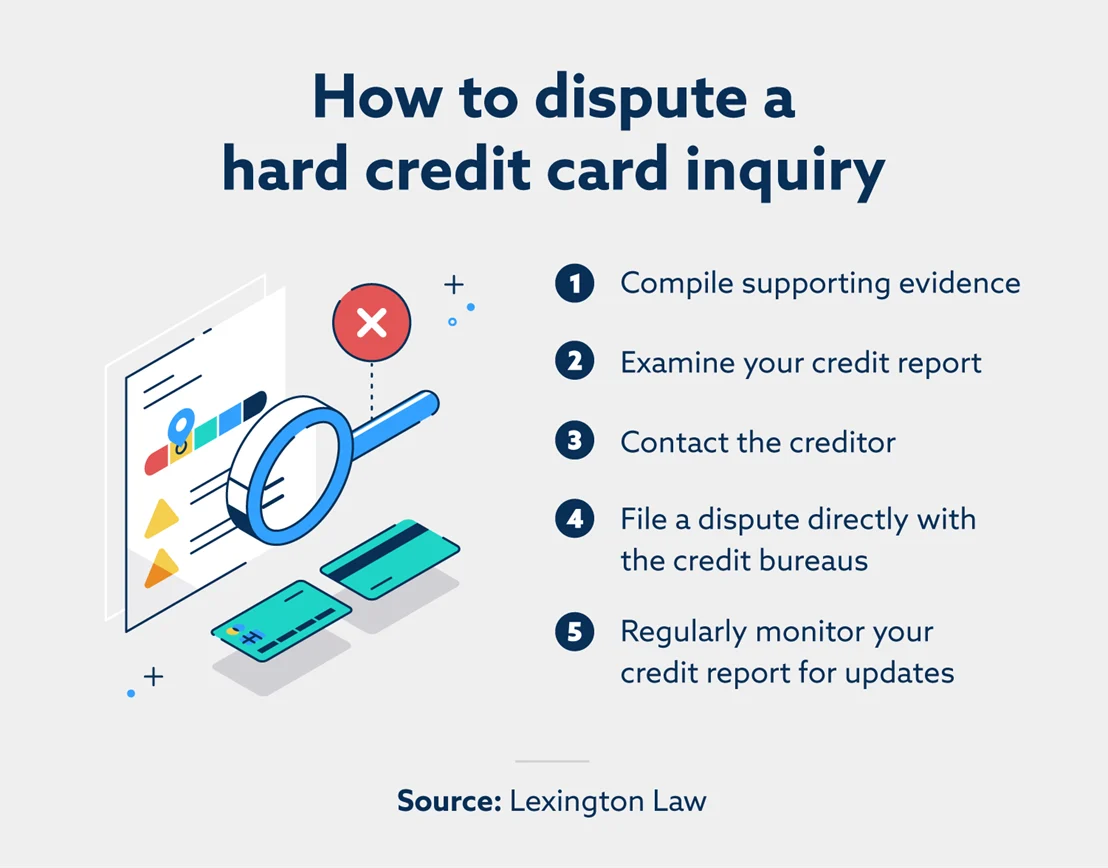
If your credit report contains inaccuracies, these can artificially inflate your interest rates or trigger a loan denial. Financial advocates often recommend performing a "credit snapshot" before applying for any new credit lines. If you discover erroneous information—such as a debt that was already paid or an account that does not belong to you—initiating a formal dispute with credit bureaus can potentially improve your score, thereby opening the door to more favorable lending terms.

Implications of Financial Choices
The decision to finance a move carries long-term implications. A loan taken today will occupy a portion of your monthly income for the next 12 to 36 months. Therefore, individuals must perform a "budget stress test":
- Calculate the Debt-to-Income (DTI) Ratio: Will the new monthly loan payment push your DTI to a level that makes future housing or car loans unattainable?
- Evaluate the "Total Cost of Borrowing": Always compare the total interest paid over the life of the loan against the immediate benefit of having the cash today.
- Credit Score Maintenance: Understand that every application for a loan triggers a "hard inquiry," which may temporarily dip your score. Ensure you are not applying for multiple lines of credit simultaneously, as this can signal financial distress to lenders.
Frequently Asked Questions (FAQ)
Can I get a moving loan with bad credit?
Yes, but the cost of capital will be significantly higher. Lenders who work with lower credit scores often charge higher interest rates to offset their risk. Consider using a cosigner with a strong credit history to lower your rate and increase your chances of approval.
Does financing a move hurt my credit score?
Initially, yes. The hard inquiry from a lender will cause a minor, temporary dip in your score. However, if you manage the loan responsibly—making every payment on time—it will eventually help build your credit history through a positive payment record.
How quickly can funds be accessed?
In the digital age, online lenders have streamlined the process significantly. Many applicants can receive approval in minutes, with funds deposited into their bank accounts within 24 to 48 hours.
Are there non-debt alternatives?
Yes. For those facing eviction or domestic safety issues, organizations like 211.org provide a database of local nonprofits, government grants, and community-based resources designed to help individuals relocate safely without taking on debt.
Final Recommendations
Moving is a high-stakes financial event. By treating your relocation as a project requiring both logistics management and fiscal discipline, you can minimize the debt burden. Start by cutting costs through downsizing, exhaust all employer-based resources, and finally, approach the lending market with a clear understanding of your credit standing. By protecting your credit score and choosing the most cost-effective financing route, you ensure that your new home starts with financial peace of mind rather than a cycle of debt.
Disclaimer: The information provided here is for educational purposes only and does not constitute formal financial or legal advice. Financial products and tax laws are subject to change; always consult with a certified financial planner or tax professional before making significant credit-related decisions.